
How to Secure a Flat in Central London: A Locksmith’s Checklist
Living in Central London has plenty of advantages, but keeping your flat secure is an important part of protecting your home and belongings. Whether you live in a modern apartment building, a converted townhouse or a rented flat, understanding how to secure a flat can help reduce the risk of break-ins and unwanted access.
From checking your front door locks to improving communal entrance security, there are several practical steps you can take. At London Locks, we help residents across Central London with lock repairs, replacements and security improvements.
This checklist covers the areas worth checking and explains when professional locksmith advice may be needed.
Why Is Flat Security Important in Central London?
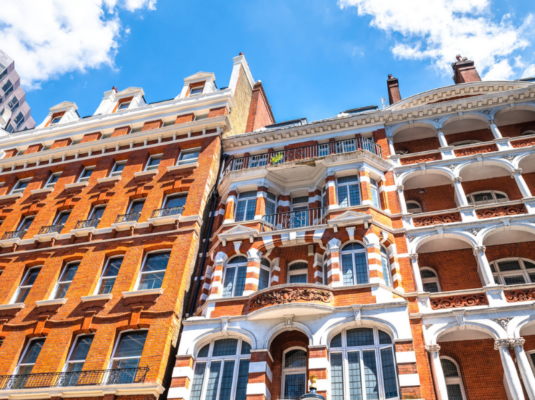
Central London has a wide variety of residential properties, from period conversions in Westminster and Marylebone to modern apartment buildings around Holborn and the City.
Many flats share entrances, corridors and access systems with other residents. This means security depends on more than the locks fitted to your individual property.
Older buildings may have ageing door hardware, while rented accommodation can have a history of different tenants and key holders.
Taking time to review your property’s security can help identify weaknesses before they become serious problems.
Your Central London Flat Security Checklist
Improving flat security doesn’t always require expensive equipment. Start by checking the following areas.
1. Check Your Flat’s Front Door Locks
Your front door is one of the most important parts of your home’s security.
Check that the lock operates smoothly, the door closes properly and there are no loose or damaged fittings. A stiff key, loose cylinder or misaligned door could indicate a problem requiring attention.
Common flat door locks include:
- Mortice locks: Often found on traditional wooden doors.
- Night latches: Commonly fitted to timber entrance doors, sometimes alongside a mortice lock.
- Euro cylinder locks: Used with compatible multipoint locking systems and other door hardware.
Where appropriate, look for recognised security standards such as BS3621 or TS007. The correct specification depends on the door, insurance requirements and fire safety considerations.
If your existing locks are damaged or unsuitable, professional lock fitting services can help you choose an appropriate replacement.
2. Make Sure Communal Entrances Are Secure
Communal entrance security is particularly important in Central London apartment buildings.
Even if your individual flat has high-quality locks, an unsecured shared entrance can allow unauthorised visitors into corridors and other communal areas.
Check whether:
- Entrance doors close and lock automatically.
- Intercoms and access systems work correctly.
- Lost access fobs have been reported.
- Residents can identify visitors before granting access.
- Communal doors are regularly left open.
The police’s flat security guidance recommends keeping communal entrances secure and avoiding allowing unknown visitors into buildings.
Report faulty communal locks or entry systems to your landlord, freeholder or managing agent.
3. Secure Windows, Balconies and Other Access Points
Flat security extends beyond the front door.
Ground-floor properties, basement flats and apartments with accessible balconies may have additional entry points that need attention.
Check that accessible windows have suitable locks and close securely. Inspect balcony doors, patio doors and any external entrances for damaged handles or locking mechanisms.
Window restrictors may be appropriate in some circumstances, particularly where child safety is a concern. However, security improvements must not interfere with required emergency escape arrangements.
Remember to lock accessible windows whenever you leave your property.
4. Review Who Has Keys to Your Flat
One frequently overlooked security concern is not knowing who has copies of your keys.
Previous tenants, former owners, contractors or managing agents may have held keys to the property.
If you’ve recently moved into a Central London flat, consider whether your existing locks should be changed.
It’s also worth reviewing how you manage spare keys.
Avoid leaving keys in obvious hiding places, keep track of who has authorised access and act promptly if keys are lost or stolen.
London Locks provides key cutting services for residents who need additional keys for authorised household members.
5. Improve Lighting and Visibility Around Entrances
Good visibility can make communal areas easier to monitor and help residents identify visitors.
Check that lighting works properly around entrances, stairwells, corridors and shared access points.
If your building has poorly lit areas or broken lights, report them to the managing agent.
Where suitable, door viewers or video entry systems can help residents identify visitors without opening their front doors.
Any changes to communal areas should be approved by the relevant property manager.
6. Make Sure Your Door Is Safe in an Emergency
A secure flat must also allow occupants to escape safely in an emergency.
Many flat entrance doors form part of a building’s fire protection arrangements. Replacing locks, drilling into doors or installing additional security devices without appropriate advice could affect their performance.
Avoid fitting locks that could prevent safe emergency escape.
If you are unsure whether a security upgrade is compatible with your entrance door, consult a suitably qualified professional before making changes.

What Are the Best Locks for a Central London Flat?
There isn’t one lock that suits every flat. The most appropriate option depends on the door material, existing locking mechanism and building requirements.
British Standard Mortice Locks and Night Latches
Many traditional Central London properties have wooden entrance doors fitted with mortice locks, night latches or a combination of both.
A suitable BS3621-rated lock may help meet certain insurance requirements, although you should always check your individual policy.
Anti-Snap Euro Cylinder Locks
Some modern flats use euro cylinder locks as part of a multipoint locking system.
Where compatible, a TS007 3-star cylinder can provide additional resistance against common forms of lock attack.
Should You Change the Locks When Moving Into a Central London Flat?
Moving into a new property is a sensible time to review your locks.
You may not know how many copies of the existing keys have been made or whether previous occupants returned every set.
Changing an appropriate lock or cylinder can help you regain control over who can access your home.
If you’re renting, check your tenancy agreement and seek permission where necessary. Leaseholders should also consider building rules, particularly for fire-rated entrance doors.
Not every move requires a complete lock replacement, so professional advice can help you decide what’s necessary.
When Should You Call a Locksmith About Your Flat’s Security?
Some security problems are easy to overlook until a lock stops working entirely.
Consider contacting a locksmith if:
- Your key is difficult to turn or regularly gets stuck.
- The front door doesn’t close or lock properly.
- A lock is loose, damaged or showing signs of wear.
- You’ve lost your keys and are concerned about unauthorised access.
- You’re unsure whether your existing locks meet your security needs.
Addressing problems early can sometimes prevent an inconvenient lockout or further damage.
London Locks offers professional lock repairs and replacements to help keep residential properties secure.
Secure Your Central London Flat With London Locks
Whether you’re moving into a new apartment, replacing worn locks or looking to improve your existing security, London Locks can help.
Our experienced team provides lock fitting, repairs, replacements and emergency locksmith assistance for residential properties throughout Central London.
Explore our locksmith services in Central London or contact London Locks to discuss your property’s security requirements.